
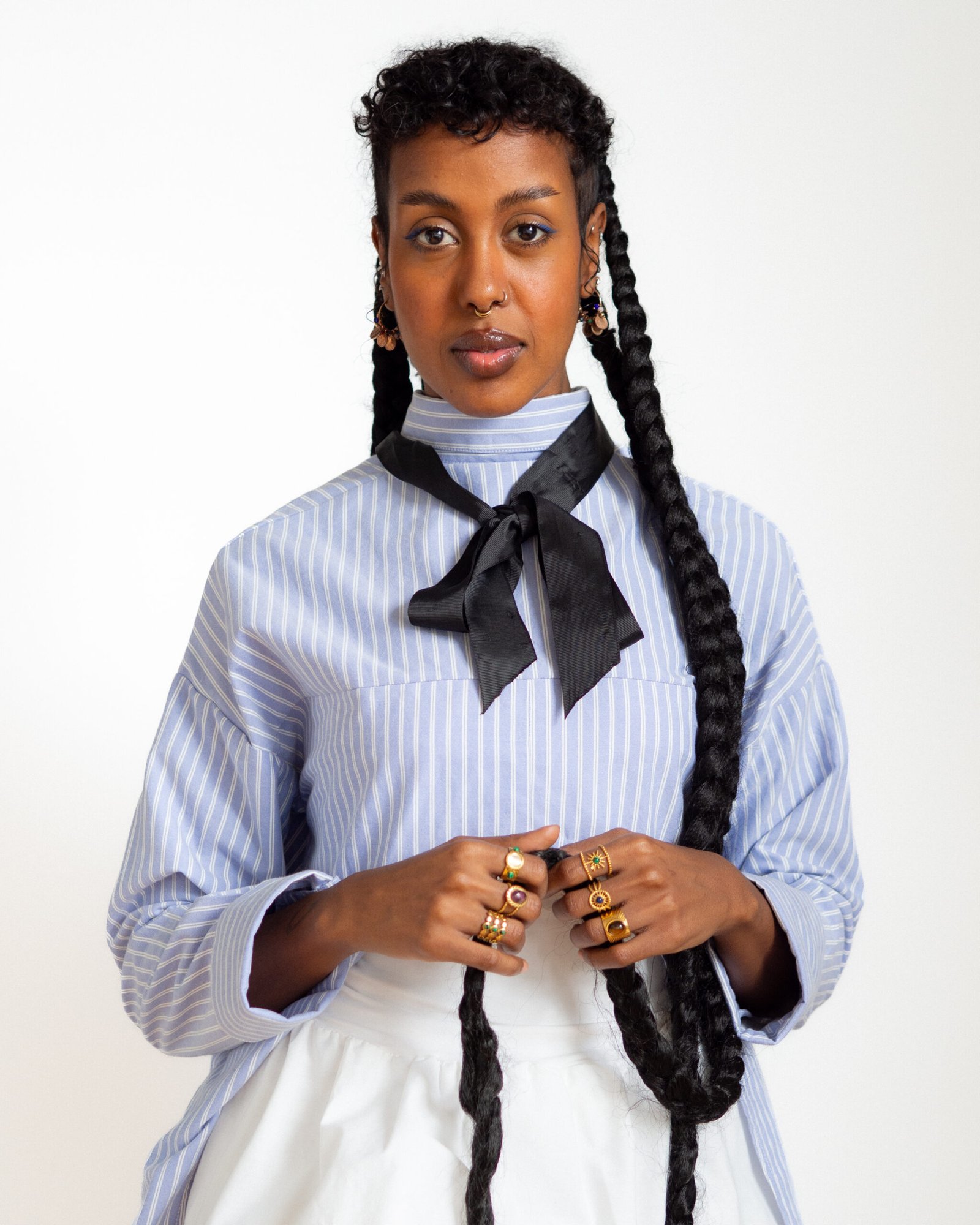
From living a double life to creating one of Canada’s leading spaces for Black Arab voices, āmna ali opens up about identity, grief, faith, queerness, and the lifelong work of building belonging.
The first thing I noticed about āmna ali wasn’t what she does; it was how she writes her name.
Every letter is intentionally lowercase, a choice inspired by bell hooks’ belief in decentering the individual and placing ideas above ego. It’s a subtle but meaningful decision, one that quietly rejects hierarchy while centering the work itself. After speaking with āmna, I realized that philosophy extends far beyond her name. It is woven into everything she creates, from the communities she builds to the way she approaches healing, advocacy, and belonging.
As an artist, writer, activist, and decolonial care practitioner, āmna’s story spans continents and identities. Born to a Somali father and Yemeni mother, she was raised in Sharjah, United Arab Emirates, before spending time in Ethiopia and eventually settling in Montreal. Today, she is the founder of the Black Arab Collective, a community initiative dedicated to amplifying Black Arab voices, confronting anti-Blackness, and creating spaces rooted in care and liberation.
Yet her work didn’t begin with activism. It began with learning how to exist authentically.
“I knew I was queer from a young age,” she tells me. “I was cognizant it wasn’t accepted.”
Growing up meant navigating the tension between who she was expected to be and who she already knew herself to be. She describes living a double life; wearing the hijab and fulfilling the role of the obedient Muslim daughter around the family while quietly exploring her identity elsewhere. Choosing to leave home and move to Dubai to live openly with her Black trans partner became one of the most defining decisions of her life.
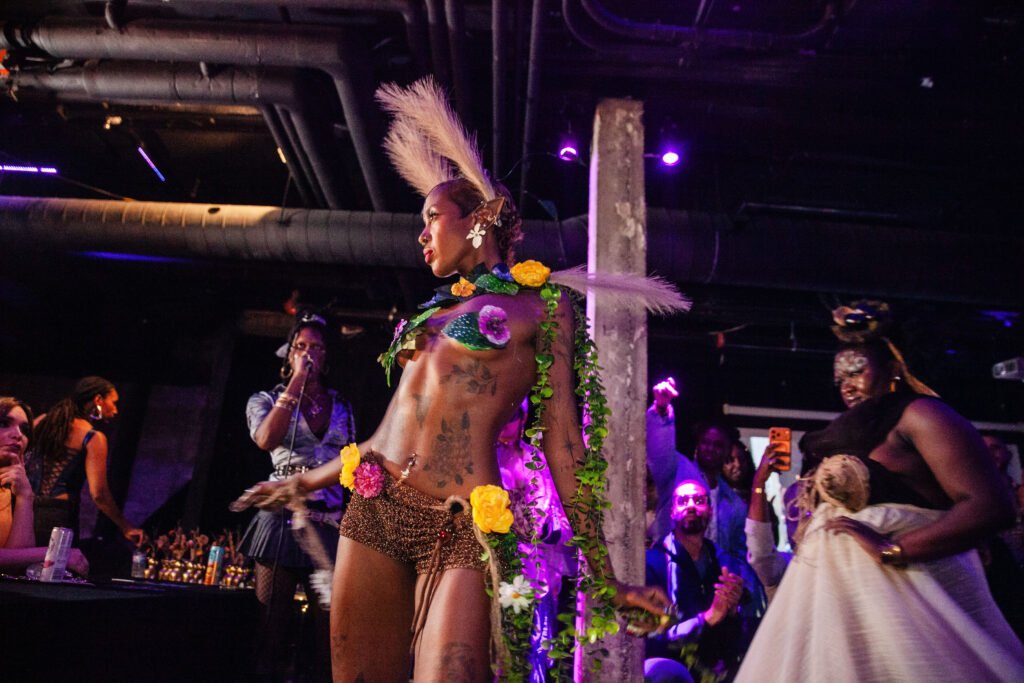
“It is absolutely unheard of for an arab girl in my context to leave her family home unless it’s to move in with a husband,” she explains.
That decision came with sacrifice, but it also marked the beginning of a life lived on her own terms.
Throughout our conversation, āmna returns to one idea repeatedly: freedom often requires grief. She speaks openly about mourning the expectations others had for her and the difficult process of accepting that she could never become the version of herself her family imagined. Over time, however, that grief transformed into compassion.
“I love my mother and forgive her,” she says. “Through reclaiming my own relationship with my worthiness, I live today so proud of everything I am… I know my mother and father… are just as proud of me.”
That same spirit of transformation inspired the creation of the Black Arab Collective in 2020.
Following the murder of George Floyd, global conversations around race gained momentum. While watching these discussions unfold, āmna noticed something missing. Conversations often framed racism through a Western lens while overlooking the realities of anti-Blackness throughout the Arab world and the lived experiences of Black Arabs.
Rather than waiting for someone else to create that space, she built it herself.
“I created a space to uplift those who felt unseen and unheard; and felt held as I was holding.”
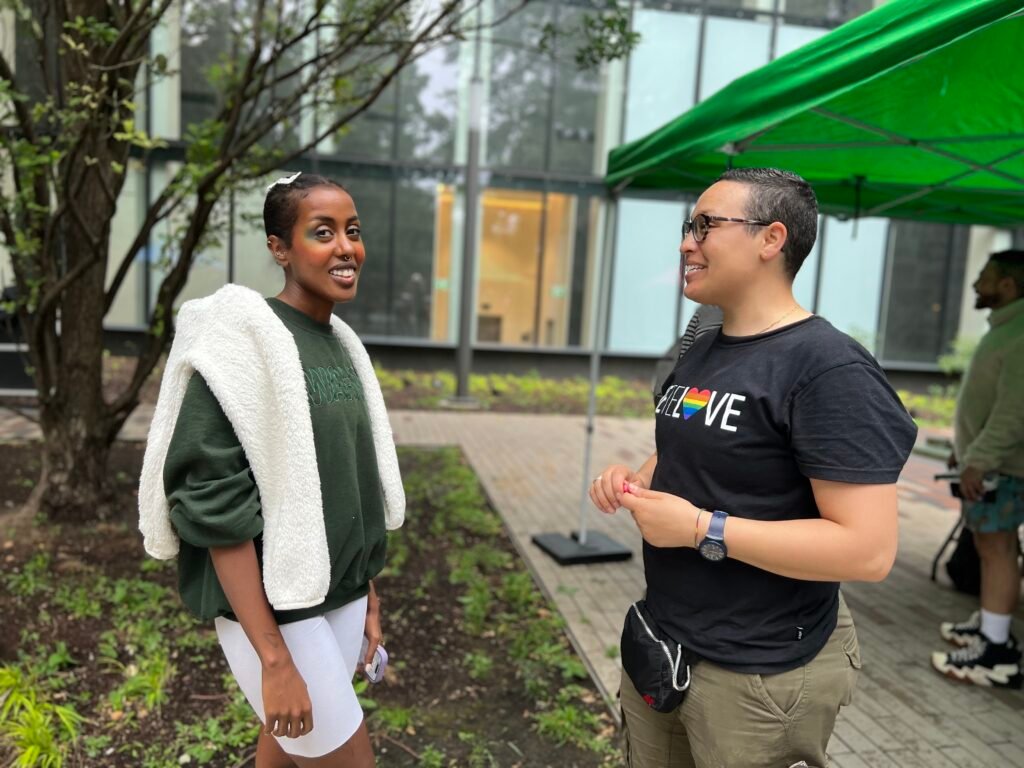
What began as an educational platform quickly evolved into something much larger. The Black Arab Collective became a home for people navigating the intersections of race, culture, language, faith, gender, and sexuality. Through community conversations, translated anti-oppression resources, fundraising efforts, and the preservation of overlooked Black Arab histories, the collective continues to foster belonging where many had never found it before.
The journey, however, has not been without challenges. Alongside moments of joy came harassment, homophobic attacks, and doxxing. Those experiences reinforced something she now carries into every opportunity: community leadership comes with responsibility.
She recalls one of the biggest lessons early in her advocacy when she unknowingly participated in an interview with an Israeli news outlet that had not disclosed its identity beforehand. When she realized what had happened, she accepted accountability and listened to her community’s concerns.
“I have become much more vigilant since about who I say yes to,” she says. “This comes with great responsibility and I want to hold myself to that.”
Listening to āmna, it becomes clear that activism, for her, has never been about visibility alone.
“Representation is no longer enough.”
It’s one of the strongest statements she makes throughout our conversation.
Instead of simply seeking inclusion within existing systems, she believes in creating new ones rooted in dignity, collective care, and liberation.
“The work is no longer in assimilating into violent structures but to reclaim our worth and sovereignty and move to building worlds that love us back.”
That philosophy eventually led her away from the nonprofit sector. After years of supporting 2SLGBTQIA+ communities, burnout prompted her to rethink what healing could look like outside traditional institutions. She founded daawo, her decolonial care practice, combining abolitionist somatics, breathwork, movement, ancestral knowledge, mindfulness, and grief tending to support individuals and communities through accessible care.
Her understanding of spirituality has evolved alongside that work.
For years, faith felt inseparable from trauma. Reclaiming it required separating institutional religion from personal spirituality, a process she describes as deeply painful but equally transformative.
Quoting the Sufi poet Rumi, she reflects, “the wound is the place where the light enters you.”
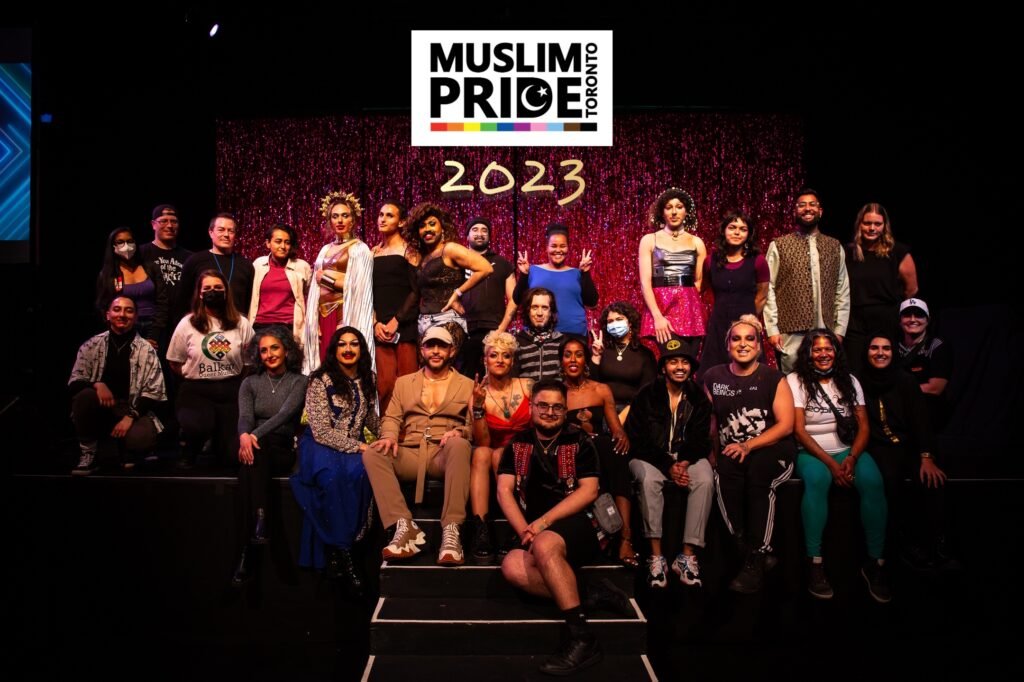
Today, she describes her community work as a devotional practice. Rather than abandoning her culture, she has reclaimed it in ways that feel authentic and life-giving. Recently, she hosted a queer Eid celebration filled with Arabic food, sweets, music, and dancing, creating a space where culture and queerness were not seen as contradictions but as equally important parts of home.
Her work has continued to reach audiences far beyond grassroots organizing. She has been featured by publications including TIME and Harper’s Bazaar, spoken at Harvard and Duke Universities, and recently moderated a conversation at the Toronto International Festival of Authors with queer Arab authors Danny Ramadan and Barrack Zailaa Rima. Yet despite these accomplishments, her focus remains firmly on community.
Perhaps the most moving part of our conversation came when she spoke about the future.
Professionally, she hopes the Black Arab Collective continues to be “a lighthouse” for those searching for belonging. Personally, she is currently fighting for custody of her young niece, whom she has helped raise for years. She describes this chapter not simply as a legal battle but as another act of breaking cycles and protecting the next generation.
When I asked what she hoped people navigating similar questions around identity would take away from her story, her response felt less like advice and more like a blessing.
“we were planted in exile, in exile we made a home and in exile we shall bloom.”
It’s a line that has stayed with me long after our conversation ended.
Speaking with āmna reminded me that belonging isn’t something we wait to receive. It’s something we build, for ourselves and for each other. Through the Black Arab Collective, her decolonial care practice, her writing, and her unwavering commitment to justice, she continues to create spaces where people are reminded of something many spend a lifetime searching for: that they have always been worthy of love, dignity, and home.
And perhaps that’s the most radical thing of all.
Explore more conversations with women building communities, redefining identity, and creating meaningful change through courage, culture, and compassion.

Leave a Reply