
Father’s Day is a day known to recognize the dads of the world for much of what we associate with heroism – their love, support, protection, stability, morals, and so much more. These heroic traits establish a sense of safety, freedom and togetherness, knowing that our local superhero is only a phone call away.
Much of the strength, protection, patience, empathy, etc. that comes with being a father is shared and relevant to the role of first-responders, as much of what comes with both fatherhood and first-responding is an innate ability to sacrifice oneself to protect those in need. What goes unnoticed, however, is the influence these roles have on one another, and how lessons from one role often transfers guidance within the other.
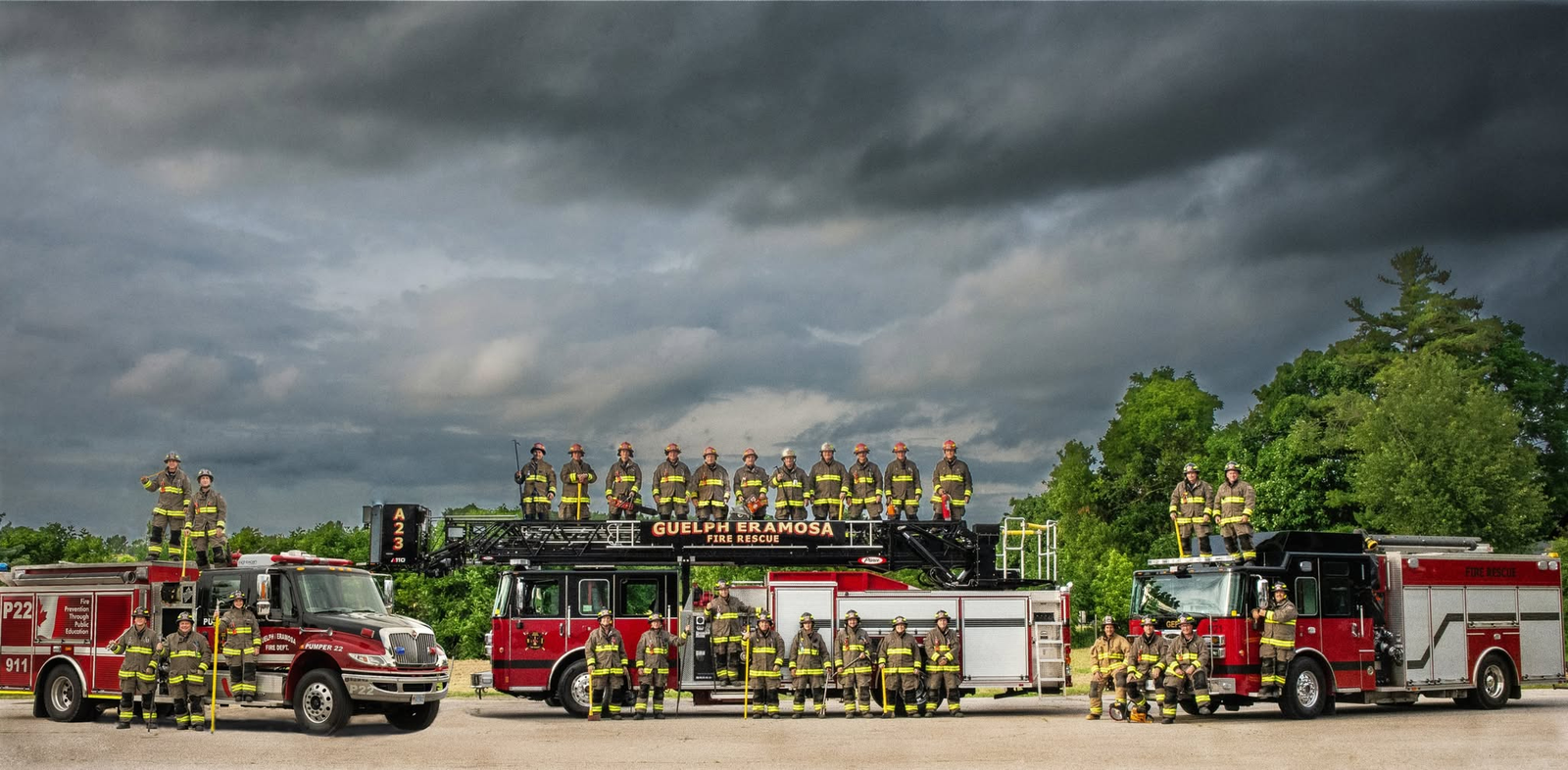
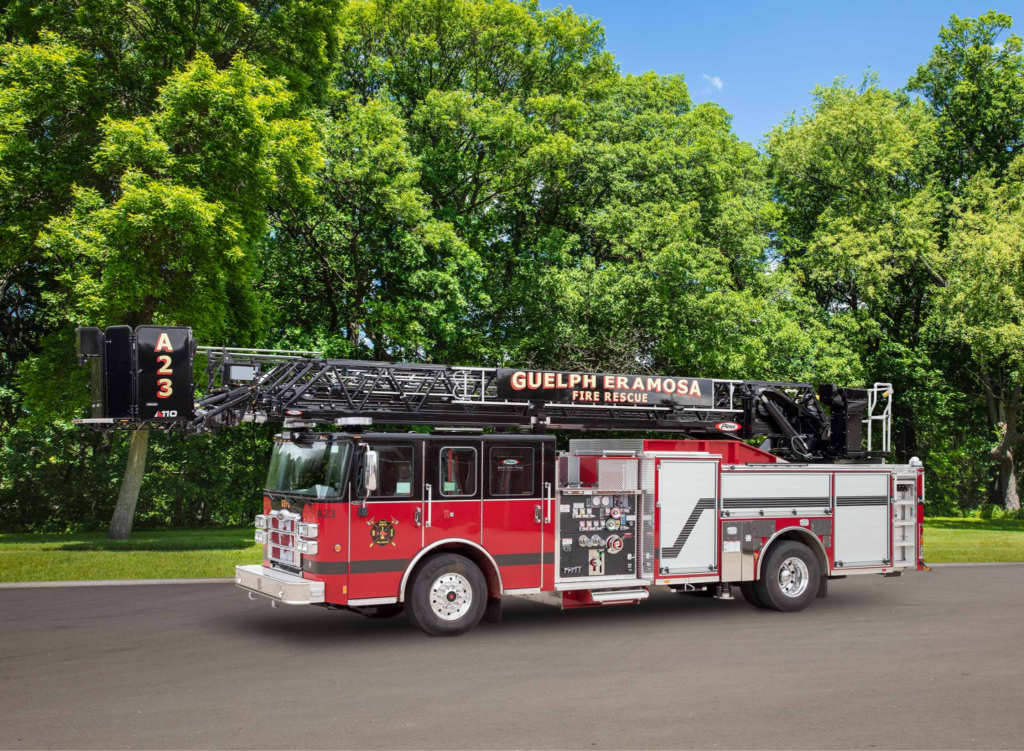
Guelph-Eramosa Firefighters Jason Gundy, Evan Kliese and Steve Ross have lived the entirety of their firefighting careers alongside fatherhood, noting how becoming a father has reformed much of the way they approach fatherhood, firefighting, and what it is to be a hero.
As firefighting in itself is deemed heroic, becoming a father not only added to that heroism for these firefighters, but it shifted the way they interpret it. “Becoming a father changed my view of heroism completely,” Gundy states, noting how “fatherhood has taught [him] that heroism is also found in the everyday moments – being present, patient, dependable, and setting a positive example.” He follows that being there for his daughters and supporting their growth into confident individuals is just as important as any call he responds to.
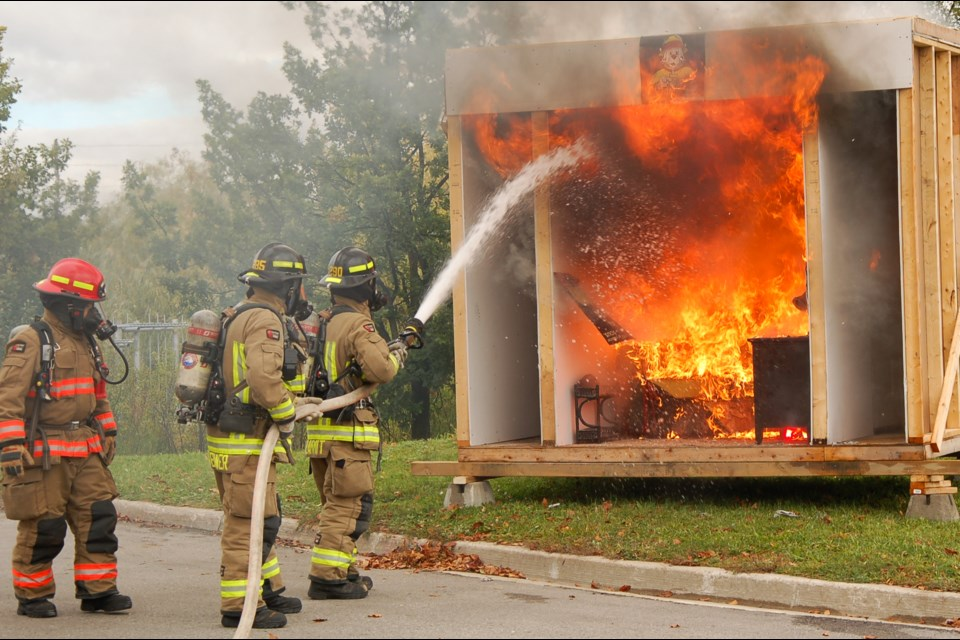
Likewise, Kliese explains that this shift in his understanding of heroism took him away from the ‘tough guy’ mentality, realizing that protecting and raising a family takes a much deeper kind of strength. “Before kids, you think it’s all about the big dramatic saves on shift,” he says. “Once I had my son and daughter, I realized real heroism is much quieter … it’s showing up and being a solid role model they can look up to at home.”
With this quieter form of heroism still comes the physical and emotional demands of firefighting, which inevitably means learning the art of balancing responsibilities within the community and the family unit. When asked how they achieve this balance, they all acknowledged the difficulties that come with separating their roles and what is necessary when they must devote themselves to both.
“Balance isn’t always easy, and I believe family has to remain a priority,” Ross says. “Firefighting teaches you the importance of teamwork, and that applies at home as well … [so] communication is important at home too,” explaining that this communication helps to foster the teamwork attitude at home.
With the importance of communication, Gundy acknowledged that frequent and honest conversation with his family is key. “My family understands the importance of my role in the community, and I make sure they know they are my top priority when I’m off duty and at home.” Kliese backs this, explaining that when he is off duty and at home, he “makes sure [he] is fully locked-in … and makes that time at home count.”
As ensuring a balance between roles and responsibilities at home and on-call is a key asset for these firefighters, they also recognize the importance of noticing how fatherhood and firefighting may reinforce lessons within one another. They did not hesitate to note that becoming a father has led them to a more empathetic and patient approach while on duty.
“Fatherhood taught that children see the world differently,” Ross says “and learning to listen and understand their perspective has made me better at dealing with those in an emergency.” With this shift in perspective, he adds that acknowledging the various viewpoints of those in crisis has helped him appropriately respond to different circumstances and different people, ensuring that he tends to a family in crisis the same way he would his own.
Similarly, Gundy explains how “as a parent, you learn that every situation and person is different,” noting how these differences often show up on emergency scenes as well. He mentions how during a call, “people may be scared, confused, or overwhelmed … and so fatherhood has reinforced the importance of staying calm under pressure in any situation,” which he states has become a vital quality for both roles.
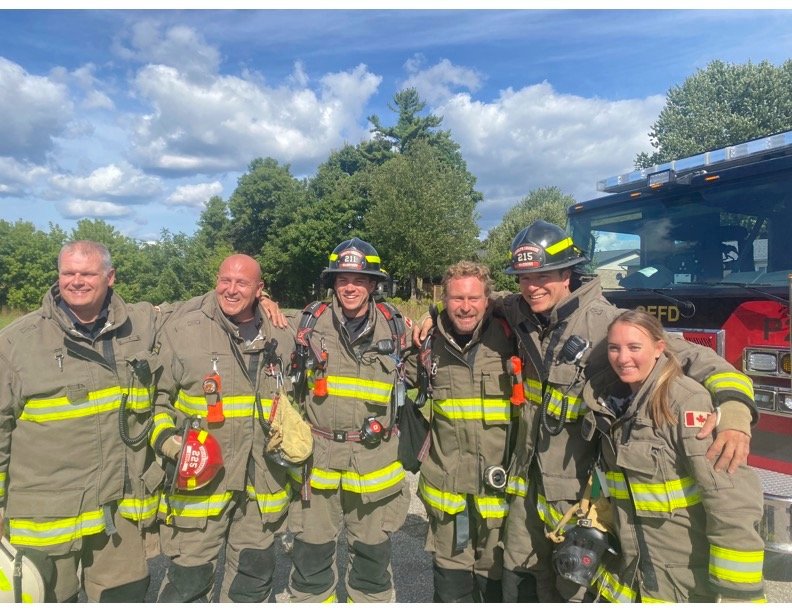
In being both fathers and firefighters, there are many other responsibilities that these roles must tend to, specifically firefighters who are fathers of daughters. A common trend seen within the firefighting community is the employment rate of men versus women, with only 5-10% of the employment being women. With this, Gundy, Kliese and Ross consider their role as firefighters and fathers to daughters, considering the importance of female advocacy both on duty and at home.
When asked if they believe being a father to daughters has impacted their view on the capabilities of women in male dominated fields such as firefighting, they all shared the same response – that women have everything that it takes to be a solid part of the team.
“All that matters is if you can do the job, pull the hose, and back up your crew … gender doesn’t enter into it,” Kliese asserts, adding that “anyone who has the grit and puts in the work gets the exact same respect and support.” Ross follows that “what matters is having the skilled, capable firefighters who can do the job safely and effectively.” They all agree that what the role truly requires is grit, drive and dedication, and that none of these qualities are allotted only to men.
Recognizing the impact that their daughters have had on their approach to understanding the roles of firefighting, Gundy, Kliese, and Ross reflect on how their daughters, and other women in their life, have influenced their role as firefighters.
“The women in my life have shown me that strength comes in many forms,” Gundy says. “I’ve seen resilience through perseverance, compassion, and determination.” He also adds that his daughters are a continuous reminder that leadership does not always show in the loudest forms; rather, it’s about listening and supporting others.
“My daughter taught me that real grit is a mindset, not just physical strength,” Kliese says. “She falls down, dusts herself off, and keeps going,” which he relates to the mental toughness that is required when on the scene of an emergency. He also sees this mental toughness as essential to compartmentalizing the grueling aspects of the job from home life, a challenge that many firefighters still encounter.
With their daughters having influenced much of how they approach their roles and responsibilities as firefighters, they also recognize how their role as firefighters may shape how their daughters approach situations themselves.
“I hope they learn that hard work, integrity, and service to others matters,” says Gundy, hoping they see that “challenges are opportunities for growth and that setbacks don’t define them.” Ross follows by stating that he hopes his daughter is able to see that challenges can be overcome, making an important note that “confidence comes from preparation, effort, and believing in yourself.”
As they reflect on the cyclical nature of the lessons and teachings between them and their daughters, these firefighting fathers acknowledge that, in raising daughters, they also have an opportunity to empower them to enter fields dominated by men. As such is the case with firefighting, Gundy, Kliese and Ross hope to harness their roles by raising their daughters to reject the concept of liminality – specifically in male dominated roles.
“A father is the first male voice to tell his daughter she is strong, capable, and smart enough to compete anywhere,” notes Kliese. “It’s about bringing her around the station, showing her the tools, and involving her.” Similarly, Gundy asserts the importance of exposing his daughters to various opportunities, as well as supporting their ambitions. He mentions how “confidence often starts at home, and fathers can help build that foundation by believing in their daughters and challenging outdated stereotypes.” With this form of support, the concept of liminality in male defined roles is resisted, as they encourage their daughters to pursue any and all interests without the anxiety of conventional constraints.
Being a firefighter and a father to daughters does not only mean their approach to firefighting is reshaped, but it also means there is a new appreciation and recognition of the challenges that women face amidst their careers, especially one as male dominant as firefighting. With the acknowledgment of these struggles, the firefighters did not hesitate to offer insight as to how the challenges females face professionally can be addressed and, perhaps one day, overcome.
Ross explains that with his daughter’s workplace being mainly employed by men, he sees how hard she has worked to earn respect, prove her abilities, and build confidence in an environment where she is, oftentimes, the minority.
“As a father I try to support my daughter by encouraging her to believe in herself, speak up, and never let anyone define her limitations,” Ross says, furthering that “as a firefighter, [he] hopes to lead by example by fostering a culture of teamwork, professionalism, and respect, where everyone is valued for what they bring to the table.”
Likewise, Gundy discusses how having daughters has given him a deeper appreciation of the barriers and biases women encounter amidst professions. “I strive to encourage confidence, independence, and self-belief,” he says, adding that, as a firefighter, he “support[s] creating a workplace culture where everyone is treated with respect and given equal opportunity to succeed.” His wish is for his daughters, and all young women, to know their abilities and aspirations should define their opportunities – not simply their gender.
In the world of heroism, being a firefighter and a father is not only about confronting issues and protecting those in immediate danger. Instead, it is also about protecting things such as one’s family dynamic, and confronting issues such as the limitations that young women face amidst conventional gender biases.
As Father’s Day recognizes the men who guide, support, and protect their families, firefighters such as Gundy, Kliese, and Ross demonstrate that those same qualities extend far beyond the walls of the fire hall. Their experiences as fathers have reshaped how they define heroism, leadership, and service, while their daughters continue to challenge assumptions about who belongs in traditionally male-dominated spaces.
Together, those lessons serve as a reminder that some of the most meaningful acts of leadership are not found in moments of crisis, but in the everyday effort to encourage others to seek their own potential.
To Learn More About the Guelph Eramosa Fire Department: https://www.facebook.com/p/Guelph-Eramosa-Fire-Department-100066713321772/
To Learn More About the Annual GEFD Charity Golf Tournament Contact: RFFA_STATION20@yahoo.com
Leadership takes many forms, from serving a community to raising the next generation with confidence and compassion. Explore more HerSide stories celebrating the people breaking barriers, challenging stereotypes, and creating lasting impact through courage, service, and leadership.

Leave a Reply