
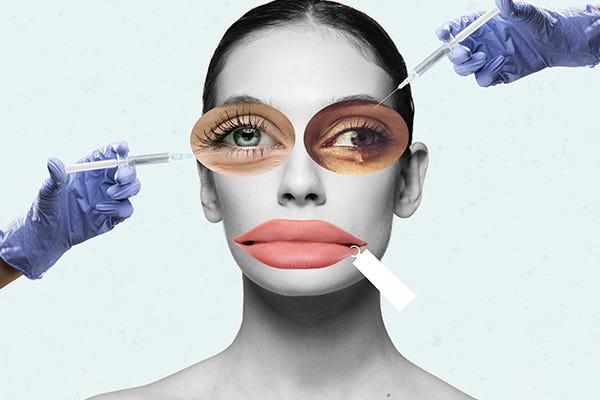
Most of us know of Aristotle’s famous contemplation of origin and of which was first to exist – the chicken or the egg. This quandary of his influenced the questioning of creation and causality, as it was reasonable to inquire that if the egg in fact was to come first, how could it manifest without a chicken to initiate its creation? On the other hand, it was also fair to assume that if the chicken were to originate first, would it not have had to hatch from an egg in the first place?
This dilemma of origin has been argued for centuries, teasing our brains into an endless sequence of contemplation. It has taught us to look at the causality of all things, events, and relationships, potentially exposing the true history of origin behind much of what exists today. This paradigm allows us to reflect on the intention behind inventions, suggesting that perhaps the things that exist today and the standards we adhere to are more complex than we believe them to be; that is, that their cultivation was inspired not by societal needs, but by calculated societal obligations.
Although there are many modern standards where causality can (and ought to) be studied, there are particular standards we can recognize as more complex when it comes to our adherence to them. Such complexity often lies in the world of beauty standards, specifically in cosmetics – that being makeup, skincare, surgical procedures, haircare, etc. In noting various forms of cosmetic maintenance and fluctuating beauty trends throughout the years, one may question how these standards came to be and thus may inquire why they came about, and thus what truly came first – a problem in need of a product, or a product in need of a problem?
When considering origin in the world of cosmetics, the question is not which products or procedures were first to originate or the ones that helped launch the desire for more beauty enhancements. Instead, the question is whether these products and procedures arose in response to societal desires of wanting to naturally remedy ourselves, or if these products and procedures emerged and exist now in an effort to make us believe we are in need of remedying.
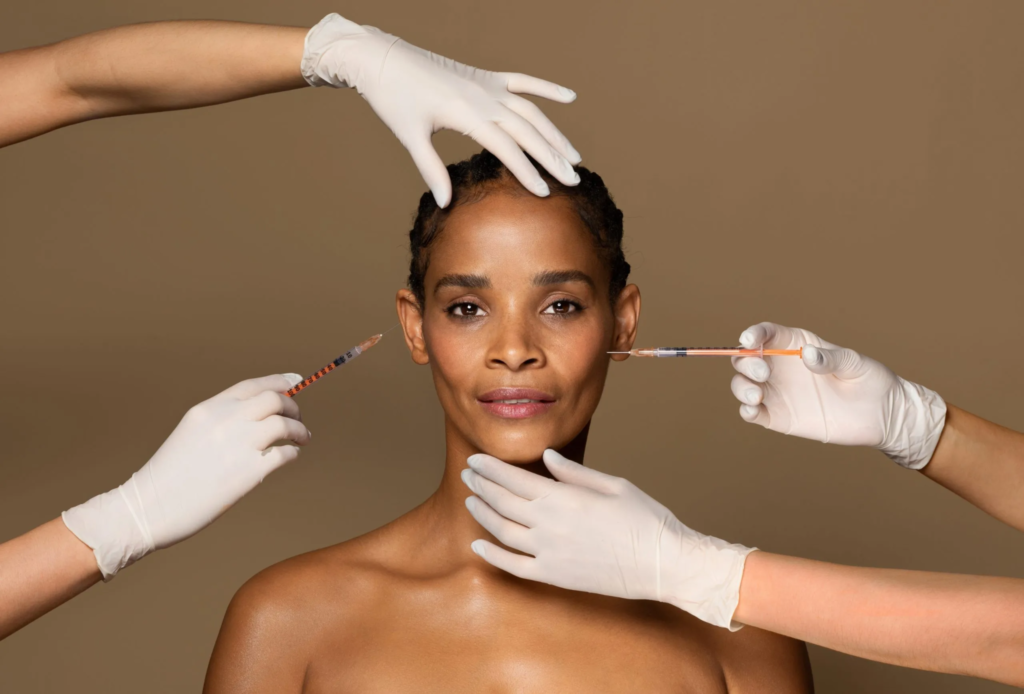
We may believe we prefer our hair straight instead of appreciating our inconsistent natural waves, or that if we find the blush shade that suits our skin tone then we finally feel like we’ve perfected our beauty routine; that is, until the newest product and cosmetic laws are released. We may think that if we enhanced our lip shape or moved the tip of our noses slightly upward, that we would truly be happy in satisfying an innate desire. But are we fulfilling a desire we naturally have, or a desire that we have been told and coerced into having?
When we adhere to beauty standards and therefore fix our supposed shortcomings, we only perpetuate the resurgence of more beauty standards and remedial trends – procedures to mitigate our smile lines, products to brighten dark patches of skin, nail colours to signal a certain level of class, hair tools that will leave our hair sleek yet voluminous, and many, many more. We partake in these acts not because it makes us feel like a better version of ourselves, but because it makes us feel like we are the best version of ourselves in adherence to what others wish to see of us.
The beauty industry acts as a high resolution mirror that is constantly held before us until we search and find a flaw in need of fixing and thus a product solution that will remedy an issue we didn’t even have last month. Cosmetics are not inherently correcting our flaws; they are manufacturing them. The cosmetic industry insists that adhering to such beauty standards is a form of self-expression, as you are allotted a range of options to which remedies and products best suit you. Yet, simultaneously, the industry keeps its relevance through convincing people that they are works in progress, all in need of improvements that can be had through purchasing or partaking in cosmetic solutions. Our self expression is encouraged yet confined, leaving it to reside in a defined liminal space where it is societally decided exactly how much of our self expression is permitted, and the rest that is in need of improvement.
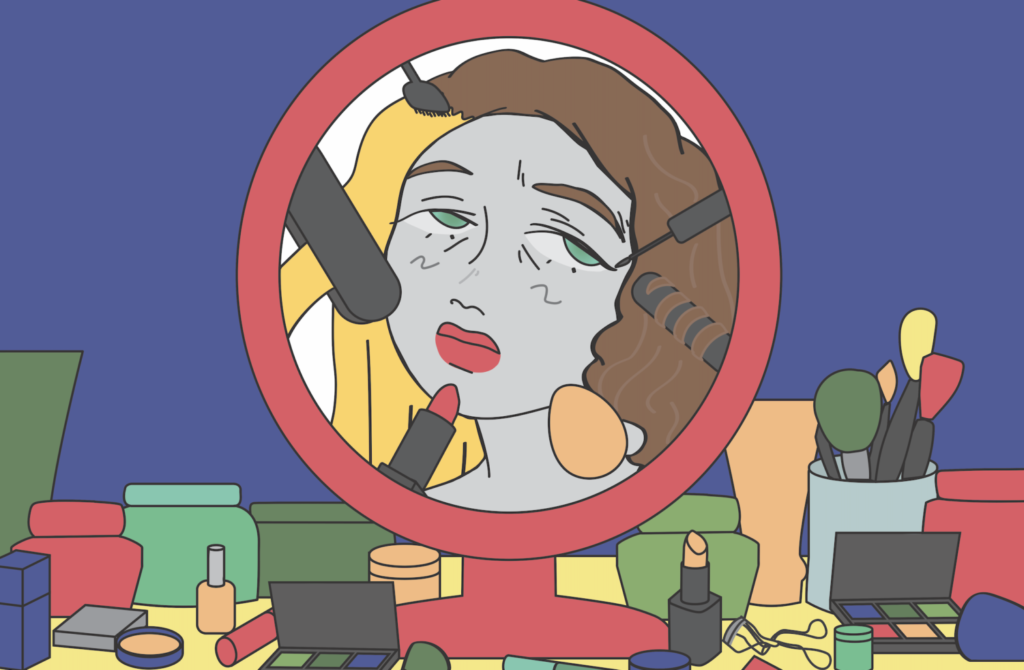
We spend such little time in our day with our physical reflections, and yet we are made to believe that enhancing our appearance in adherence to the latest beauty standards will improve our lives. We spend so much of our day in our heads, and yet we care more to satisfy and maintain others’ perceptions of us by ensuring that what we physically present to the world is suitable. Others will only ever experience the external versions of us, whilst we will only ever truly experience our internal world – so why is it that we choose to fulfill our duty of ensuring we are visually appealing to others, and not intrinsically accepting of ourselves?
This isn’t to say that all modes of cosmetic maintenance are unwarranted. Many people find great confidence in putting effort into their appearance; like wrapping a fabulous gift in the most beautiful of wrapping paper. However, we must consider what influenced our decision in choosing that specific wrapping paper – that is to say, what influenced our decision behind much of what we purchase and partake in within the beauty and cosmetic community. Is it because we want to improve ourselves in an area that we have long struggled to accept and thus seek natural cosmetic correction, or is it because these remedies already exist and their existence signals that we are in need of and thus must want enhancing? Do products satisfy our insecurities, or do our insecurities create them?
Perhaps the answer to the chicken or the egg dilemma in cosmetics is that neither truly comes first anymore. Our insecurities create demand for cosmetic remedies, yet the existence of those remedies continually reshapes what we perceive to be flaws, creating new insecurities in an endless cycle of product consumption and self improvement. The product and the problem no longer exist independently; each relies upon the other for its continued existence and relevance.
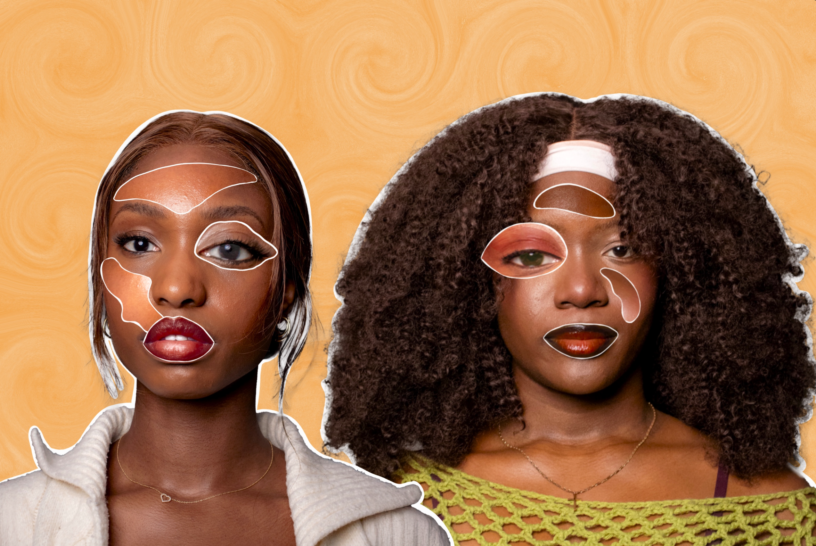
The better question, then, is not whether cosmetics are inherently good or bad, nor whether those who partake in them are vain or empowered. Rather, we ought to ask ourselves where our desire for improvement truly originates – is it born from our own perception, or has it quietly been formed by an industry that profits from convincing us we are perpetually flawed and unfinished?
Until we begin questioning the origin of our insecurities with the same scrutiny that we question the ingredients in our skincare, the beauty industry will continue to answer questions we never intended to ask and solve problems we never had. Like Aristotle’s chicken and egg, perhaps there is no singular beginning; but unlike that ancient paradox, we have the ability to interrupt the cycle. The moment we begin asking why we feel compelled to improve ourselves, rather than simply how, we reclaim a measure of autonomy that no cosmetic product can ever sell us.
To read more about resistance to cosmetic and beauty standards:
How White Supremacy and Capitalism Influence Beauty Standards
Read more HerPOV stories here

Leave a Reply