
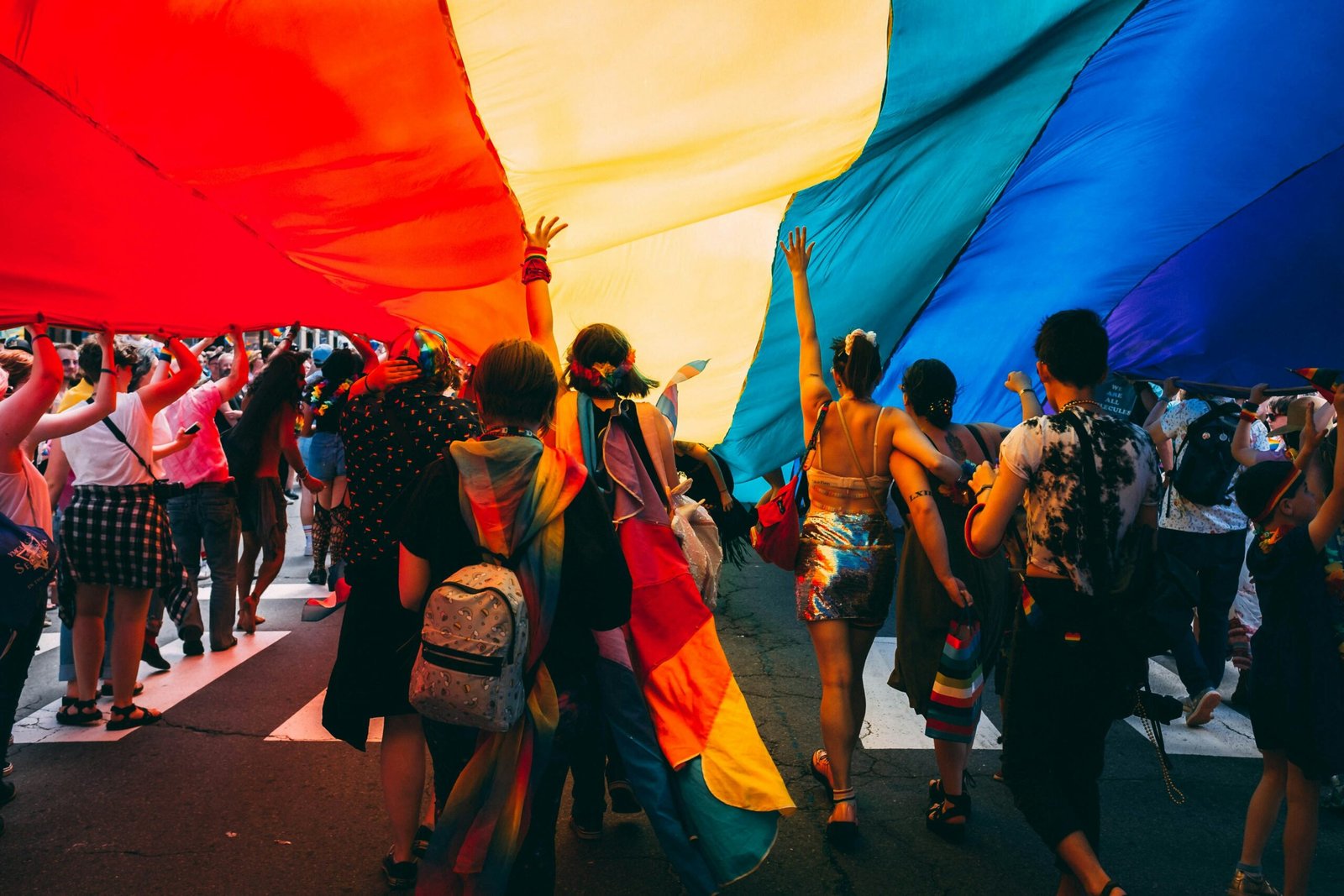
Every June, timelines become brighter. Brands change their logos, events fill city calendars, and rainbow colours suddenly appear everywhere. Pride Month becomes visible in a way that feels impossible to ignore. But every year, I find myself coming back to the same question: what does Pride actually mean beyond the colours?
Growing up, Pride was never something openly talked about around me. It wasn’t necessarily discussed in school, at family gatherings, or even in everyday conversations. For a long time, it felt like something distant; something that existed online, in parades, or in places outside of my own life. As I’ve gotten older and met more people from different backgrounds and experiences, I’ve realized that Pride means something much bigger than a celebration. At its core, Pride is about visibility, identity, safety, and the ability to exist as yourself without feeling like you have to explain or shrink parts of who you are.
What stands out to me most about Pride Month isn’t always the large public moments. It’s often the quieter ones that stay with me. It’s the friend who finally feels comfortable speaking openly about their relationship. The student who begins expressing themselves more freely. The person who slowly starts realizing they don’t have to edit themselves to fit expectations. Those moments rarely become headlines, but they’re often where real change happens.
I also think Pride asks something important from people who may not personally identify with the LGBTQ+ community: to listen. There’s often pressure to say the perfect thing or fully understand experiences we haven’t lived ourselves, but support doesn’t always start with having all the right answers. Sometimes it starts with curiosity, openness, and the willingness to let people define themselves instead of assuming we already understand their experience. Respect shouldn’t depend on whether someone’s identity feels familiar to us.
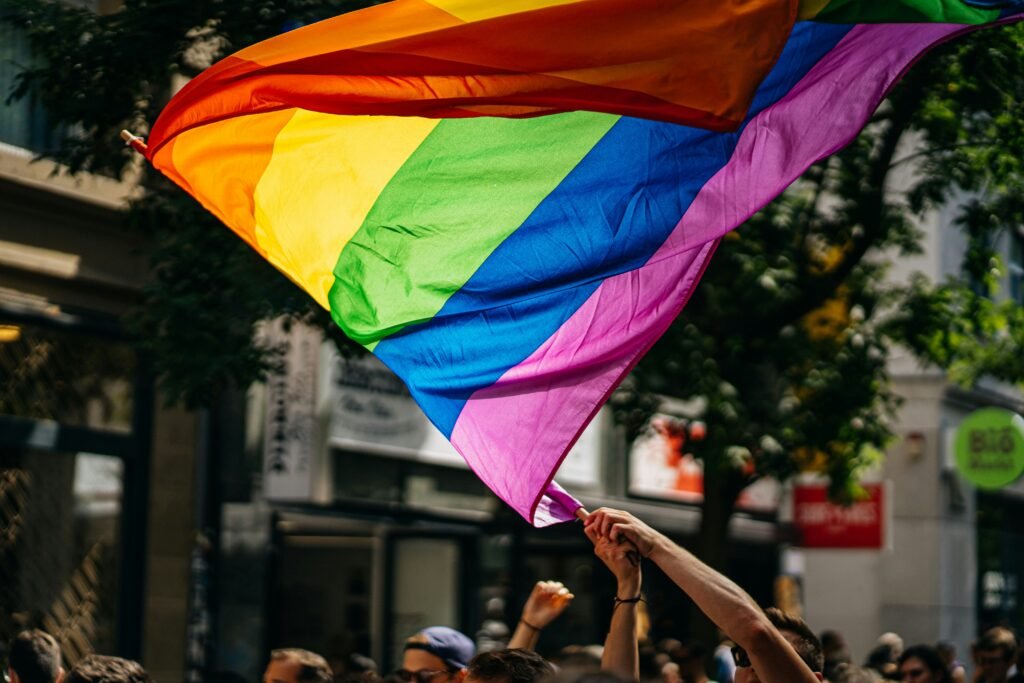
At the same time, Pride Month has become more complicated over the years. It’s difficult to ignore how commercialized parts of it can feel. Every June, companies launch campaigns, release collections, and fill feeds with messages of support, only for those conversations to quietly disappear once the month ends. Visibility matters, but consistency matters more. Support should look like creating spaces where people feel respected and included all year long, not just when it becomes part of a seasonal campaign.
That’s why I think Pride continues to matter. Not because progress hasn’t happened; it has. But acceptance doesn’t automatically mean belonging. Being included somewhere doesn’t always mean feeling safe there, and representation doesn’t always mean people feel understood. Pride creates space to acknowledge that difference and continue conversations that still need to happen.
For me, Pride Month isn’t about having the perfect perspective or saying everything perfectly. It’s simply a reminder that people deserve the opportunity to live honestly and be met with dignity. Whether someone expresses themselves loudly, quietly, confidently, or while still figuring things out, no one should feel like they need permission to be themselves.
And maybe that’s the part of Pride I keep coming back to; not the colours or the campaigns, but the idea that showing up for people, listening to them, and making room for different experiences shouldn’t end when June does.
Read more stories here

Leave a Reply