
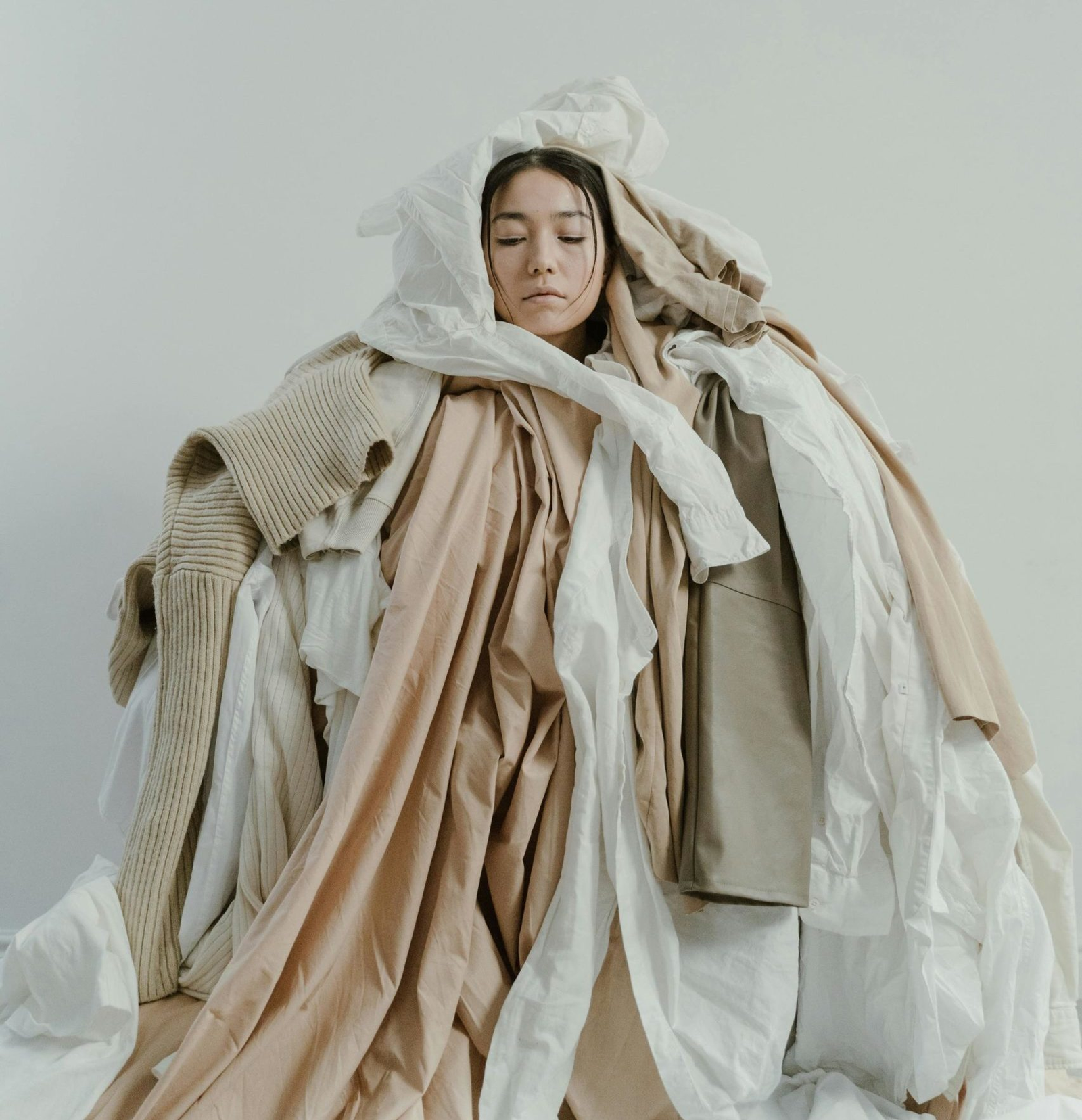
It’s no secret that a vast majority of society has fallen victim to the sinkhole that is consumerism. We are constantly being fed the latest trends, the biggest fashion no-nos, and even predictions to styles and beauty standards that will both rise and eventually fall. With the rise of consumer culture, we become coerced students to the world of aesthetics and trends where the curriculum is ever-changing and highly impressionable.
With this, we are conditioned to be on our toes – ready to secure the latest trending items and throw away the ones that no longer aesthetically please societal fashion laws. We are bound to an endless loop of purchasing and discarding, turning our closets into spaces of constant consumption. We pay little attention to how the pieces we purchase truly make us feel, and instead focus on the ways we will achieve relevancy for having such pieces. We become an imitation of how we wish to be seen, leaving us completely vulnerable to societal impressions. This vulnerability is what has influenced the dilemma of the depreciation of appreciation in fashion.
How Consumer Culture Changed the Way We Buy Clothing
Nowadays, clothing is no longer bought with the intention of owning items for a long time, but instead with the intention of abundance. Online stores such as Shein, Temu, Romwe, and many more offer you an excess of fashion choices, all for the lowest costs you can find.
These prices enable constant purchasing and blind us to the reality of the lifespan of these pieces. Instead, they appeal to the part of our brain that tells us our conformity is only $11.99 away. Consequently, intention behind buying clothing is no longer to appreciate it on a personal and emotional level, but to instead recognize what having the item signals to others. Appreciation has been replaced by assimilation, meaning personal preference in aesthetics and fashion can be understood as an underlying desire to belong.
From Ownership to Consumption
However, we no longer recognize clothing as something to own – rather, we see it as something to consume. Before consumerism became a trend in itself, purchasing and owning clothing would go through a more mindful process; pieces would inevitably succumb to wear and tear, to which they would be repaired, altered, and then kept for years.
Now, clothing is often treated like a single-use item, only worn a few times until it is discarded or forgotten. If an item does not visually appease us anymore, we dispose of it rather than tend to it. Micro-trends often reinforce this disposability; TikTok aesthetics, fast fashion drops, and dupes of celebrity-worn items provide the illusion that we can be of societal relevancy once we acquire these on-trend pieces.
Outfits are worn for documentation and praise rather than genuine preference, classifying our clothing as products of content culture. Thus, clothing becomes a disposable constant of something to consume, display, and cast away rather than own, repair, and appreciate.
The Emotional Cost of Fast Fashion
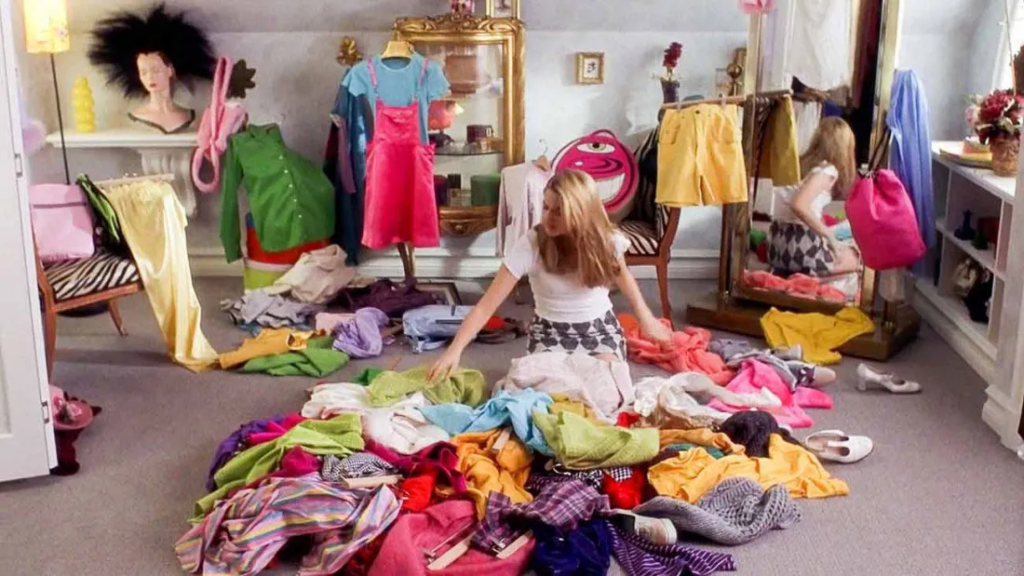
The act of consuming over owning means we have lost the capacity to appreciate our clothing on an emotional level. As clothing becomes cheaper and more abundant, items stop carrying meaning. There is less personal attachment, fewer “this is my favourite sweater” moments, and more “I have nothing to wear” despite an overwhelming and overflowing closet.
We create surface-level relationships with our clothes as we know they will not last due to both poor manufacturing and aesthetic relevancy. It may seem odd to some to have an emotional attachment to inanimate objects, but we neglect that part of the beauty of being human is the emotional capacity we have to create relationships and assign value to things. We do it with our childhood homes, our very first car, and the schools we attended, yet we’ve lost the art of sustaining a valuable relationship with the things we wear every day.
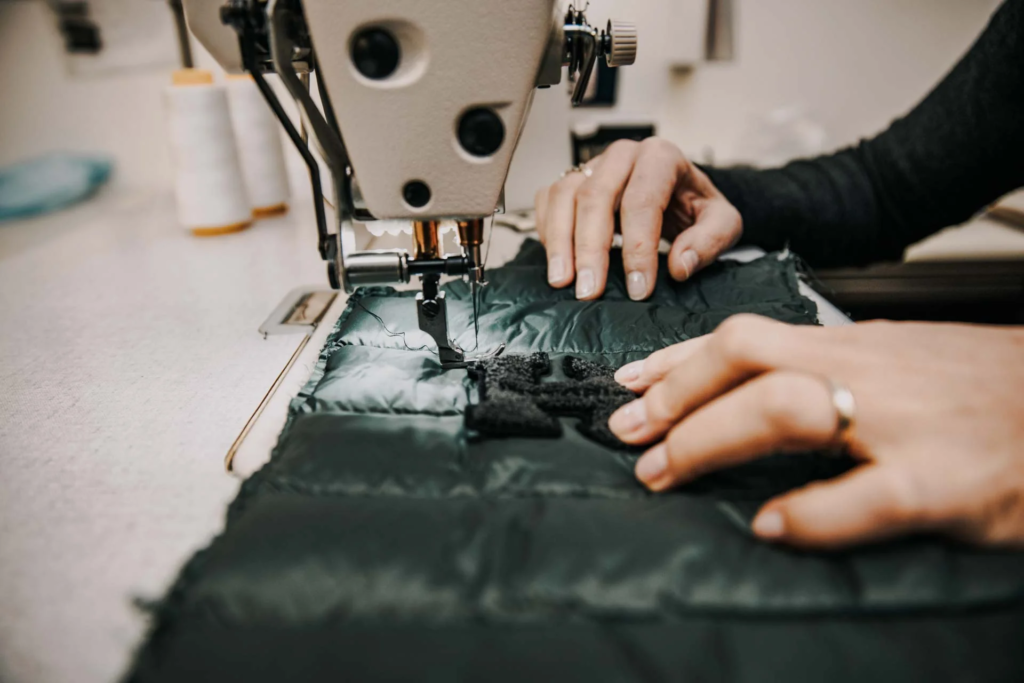
Similarly, our loss of appreciation for our clothing items means we have also lost our awareness of craftsmanship. Many people don’t see or think of how clothing is made anymore – pattern cutting, stitching, sourcing materials, and many other parts of the tediously creative process are forgotten or ignored. When this process and the labour involved become invisible, so does the value of the product.
Instead of appreciating the value and quality of an item, we aim for attaining a certain quantity, which becomes an emotional cost of overconsumption. Too many clothes paradoxically creates clutter, dissatisfaction, and a loss of personal style and identity. We become an imitation of fads, leaving our satisfaction with our outfits and closets to be determined by the rating and approval of others.
We believe these items are truly what we want and love, when really it is just the feeling of admiration for adhering to a style standard that we wish to achieve. When we are aware of and appreciate the craftsmanship of a piece, we are able to sustain our admiration for it as the process of creation will not change after owning it. However, when we are aware of what having such items will signal to others about our worth and status, we become vulnerable to the fluctuations of trends and value our clothes only as long as society does.
When we buy clothes due to their popularity, we often expect them to fit and appear on us as they do on the ones we admire. When this expectation inevitably crumbles beneath us, we either keep the item and never wear it until we look exactly like the person we saw wearing it, or we completely discard it.
This becomes yet another dilemma, as although we are keeping the clothes, we are not wearing them, therefore we are not truly appreciating them. There is a balance between hoarding and discarding, which is genuine appreciation. When we no longer genuinely appreciate a clothing item, we can still practice mindfulness and admiration through repurposing it, rather than stashing or quickly disposing of it.
This is where secondhand stores and donation bins come in ethically handy, as they offer a transfer of appreciation from one owner to the next, promoting the process of recycling clothes and the appreciation that comes with owning them. What may no longer serve us fashionably due to a change in our personal style or preference may be exactly what someone else wants or needs. This is one of the ways appreciation is both morally and ethically sustained.
Relearning Appreciation Through Slow Fashion
This discussion does, however, beg the question – how else can we practice appreciation toward our clothing and closets?
This type of appreciation can take many forms; wearing pieces repeatedly, knowing where your pieces originated from, investing in fewer but more ethical items, repairing items instead of replacing them, and buying clothes that suit and fit your personal style and body type – not someone else’s.
It seems through consumer culture that we’ve lost the art to admire without acquiring, making us contributors to this fast-fashion and overconsumption dilemma. Instead, we can practice admiring others and their wardrobe as it suits them, while simultaneously acknowledging it may not suit or appeal to us.
If we do fall victim to purchasing something that doesn’t truly suit us or our personal style, this is also where secondhand stores and markets can help. Platforms such as Etsy, Poshmark, Depop, and many more allow you to both sell and purchase used clothing mindfully, with full transparency to the condition of the clothing and more suitable pricing.
In-store options such as Goodwill, Value Village, and many other independent consignment stores offer the same opportunity of recycling clothing and purchasing on a more ethical and financially suitable note. There are also organizations who aim to contribute and educate people on the reselling and repurchasing of clothes, such as the Canadian organization Good On You where they promote what they call “slow fashion.”
Many organizations also focus on the mindfulness that must come with fashion consumption, such as Fashion Revolution and Fashion Takes Action.
Ultimately, this depreciation of appreciation in the fashion industry is not simply about clothing – it is reflective of a broader cultural shift in how we relate to consumption, identity, and value.
When we treat clothing as temporary and disposable, we begin to mirror that disposability back onto ourselves, our tastes, and even our sense of identity. However, the reverse is also true – in choosing to slow down, to notice and appreciate what we wear, and to reconnect with the stories behind our clothes, we reclaim a quieter form of resistance to overconsumption.
Appreciation is not about rejecting fashion or trends altogether, but about refusing to let aesthetics and trends dictate the full terms of our self-expression and personal preferences. In relearning how to value longevity over novelty, intention over impulse, and meaning over mass appeal, we begin to reject the cycle of endless consumption.
In doing so, we don’t just change the disposable nature of our closets, but we also change the way we see what we already have.
Explore more fashion related articles on HerSide
Learn more about sustainable fashion:
Good On You – What Is Slow Fashion? – to seek sustainable brands and learn to contrast meaningful consumption with trend-driven buying (include as a platform that evaluates fashion and beauty brands based on their environmental and personal impacts)
Explore organizations who advocate for mindful fashion consumption:

Leave a Reply